
Skin changes become more common with age, yet some visible changes can point to health conditions that deserve medical attention. Research from the American Academy of Dermatology and the National Institute on Aging shows that while wrinkles, reduced elasticity, and uneven pigmentation are expected parts of aging, sudden or unusual skin changes may reflect underlying medical problems that require diagnosis before cosmetic treatment is considered.
Many people explore treatments such as Botox in Los Angeles to soften facial lines or refresh their appearance. Before pursuing any aesthetic procedure, however, physician evaluation plays an important role in determining whether visible skin concerns are simply cosmetic or related to an underlying condition. Practices such as My Aesthetic Doctor illustrate this physician-led approach by considering a patient’s medical history, current health, and skin condition before recommending aesthetic treatments.
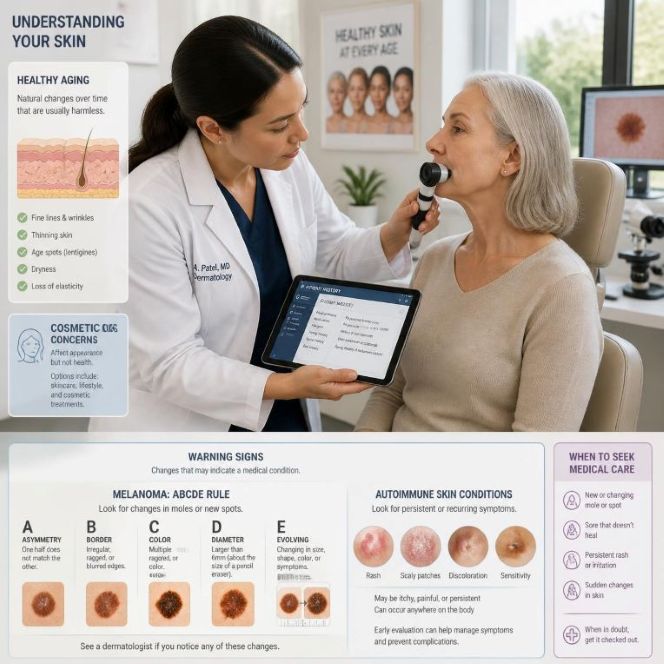
Understanding Normal Skin Aging
Healthy skin naturally changes throughout life. As people age, collagen and elastin production gradually decline, making skin thinner and less elastic. Oil production also decreases, often resulting in dryness and increased sensitivity.
Findings from the National Institute on Aging explain that common age-related changes include fine lines, wrinkles, age spots caused by years of sun exposure, slower wound healing, and mild skin laxity. These developments usually occur gradually over many years rather than appearing suddenly.
Environmental factors can accelerate these natural changes. Long-term ultraviolet exposure, smoking, air pollution, poor nutrition, and chronic stress all contribute to premature aging. Genetics also influence how quickly visible signs develop.
When Skin Changes May Signal Something More
Some skin changes deserve closer medical evaluation because they may reflect problems beyond normal aging. While many conditions are treatable, early diagnosis often improves outcomes.
Hormonal Disorders
Hormones influence skin health throughout life. Research published by the Endocrine Society shows that thyroid disease, diabetes, adrenal disorders, and menopause-related hormonal changes can affect skin texture, moisture, pigmentation, and healing.
Examples include unusually dry skin associated with hypothyroidism, persistent acne linked to hormonal imbalance, or dark, velvety patches known as acanthosis nigricans, which may indicate insulin resistance. Cosmetic treatments alone cannot address these underlying causes.
Autoimmune Conditions
The skin often reflects changes occurring within the immune system. Experts from the American College of Rheumatology note that autoimmune diseases such as lupus, dermatomyositis, and systemic sclerosis frequently produce visible skin symptoms.
Persistent facial rashes, unusual skin thickening, discoloration, chronic ulcers, or unexplained sensitivity to sunlight should prompt medical evaluation. Identifying the underlying disease allows appropriate treatment while helping prevent complications affecting other organs.
Potential Signs of Skin Cancer
Skin cancer remains one of the most common cancers worldwide. Reports from the World Health Organization and the Skin Cancer Foundation emphasize that early detection greatly improves treatment success.
Warning signs include:
- A mole that changes in size, color, or shape.
- A sore that does not heal.
- Persistent itching or bleeding.
- New growths with irregular borders.
- Rapidly developing pigmented lesions.
Physicians frequently use the ABCDE guideline, asymmetry, border irregularity, color variation, diameter, and evolving appearance, when evaluating suspicious moles. Any concerning lesion should be examined before cosmetic procedures are planned.
Why Medical Evaluation Comes First
Many cosmetic concerns share similar appearances with medical conditions. Redness may be caused by rosacea, lupus, eczema, allergic reactions, or infection. Pigmentation changes may result from sun exposure, hormonal disorders, medication side effects, or inflammatory skin diseases.
Studies published by the Journal of the American Academy of Dermatology highlight the importance of accurate diagnosis before treatment begins. Addressing symptoms without understanding their cause may delay necessary medical care or produce disappointing cosmetic results.
A physician evaluates much more than the visible skin surface. Medical history, medications, family history, lifestyle factors, previous procedures, and overall health all contribute to safe treatment planning. Blood tests or referrals to specialists may occasionally be appropriate when systemic disease is suspected.
How Physician-Led Aesthetic Care Supports Better Decisions
Medical aesthetic practices differ from purely cosmetic settings because treatment planning begins with health assessment. Physicians are trained to recognize when skin findings suggest disease instead of simple aging.
This approach helps determine whether aesthetic procedures should proceed immediately, be postponed, or be avoided until an underlying medical issue has been treated. In some cases, improving overall health leads to noticeable improvements in skin appearance without extensive cosmetic intervention.
My Aesthetic Doctor represents this physician-led model by evaluating each patient’s broader medical picture before recommending procedures. The focus remains on selecting treatments that are appropriate for both appearance goals and overall well-being.
Questions Patients Should Ask Before Cosmetic Treatment
Individuals considering aesthetic procedures benefit from having an open discussion with their physician. Helpful questions include:
- Could my skin changes have a medical cause?
- Should any laboratory tests or specialist evaluations be completed first?
- Are my medications affecting my skin?
- Will my existing health conditions influence treatment safety?
- What outcomes are realistic based on my current skin health?
These conversations create realistic expectations while reducing unnecessary risks.
Healthy Habits Continue to Matter
Regardless of whether skin changes are cosmetic or medical, healthy daily habits remain essential. Findings from the Centers for Disease Control and Prevention and the American Academy of Dermatology support consistent sun protection, smoking cessation, balanced nutrition, regular physical activity, adequate sleep, and proper skin care as important contributors to healthier skin over time. For individuals experiencing persistent dryness or eczema, learning about ingredients that support eczema-prone skin can help guide discussions with a healthcare provider when selecting moisturizers that complement an overall skin care routine.
Routine skin self-examinations and periodic professional evaluations also help identify changes early. People with a personal or family history of skin cancer may require more frequent examinations as recommended by their healthcare provider.
Conclusion
Many visible skin changes are a natural part of growing older, but others can serve as valuable clues about overall health. Distinguishing between cosmetic concerns and medical conditions requires careful evaluation, particularly when symptoms appear suddenly, progress quickly, or are accompanied by other health changes.
A physician’s assessment provides the foundation for safe and effective treatment planning. By identifying underlying conditions before recommending cosmetic procedures, healthcare professionals can protect patient health while supporting aesthetic goals. As medicine continues to integrate preventive care with cosmetic services, this balanced approach will remain an important part of achieving healthy, confident skin.