
Nearly everyone deals with a flaky, itchy, or oily scalp at some point, and most people reach for the nearest anti-dandruff shampoo without a second thought. Yet not every scalp complaint has the same root cause, and treating the wrong condition can waste weeks without any real improvement. Knowing what separates a routine cosmetic issue from a condition that needs medical attention makes a real difference in comfort and long-term scalp health.
Salon professionals often notice these distinctions before their clients do, simply because they see so many different scalp types up close. Establishments like The Beauty Edit Winter Garden represent the kind of salon environment where stylists are trained to recognize when a scalp issue looks routine and when it might warrant a referral to a dermatologist instead of a deeper conditioning treatment. That kind of awareness is becoming more common across the hair care industry as clients ask more questions about the health of their scalp, not just the look of their hair.
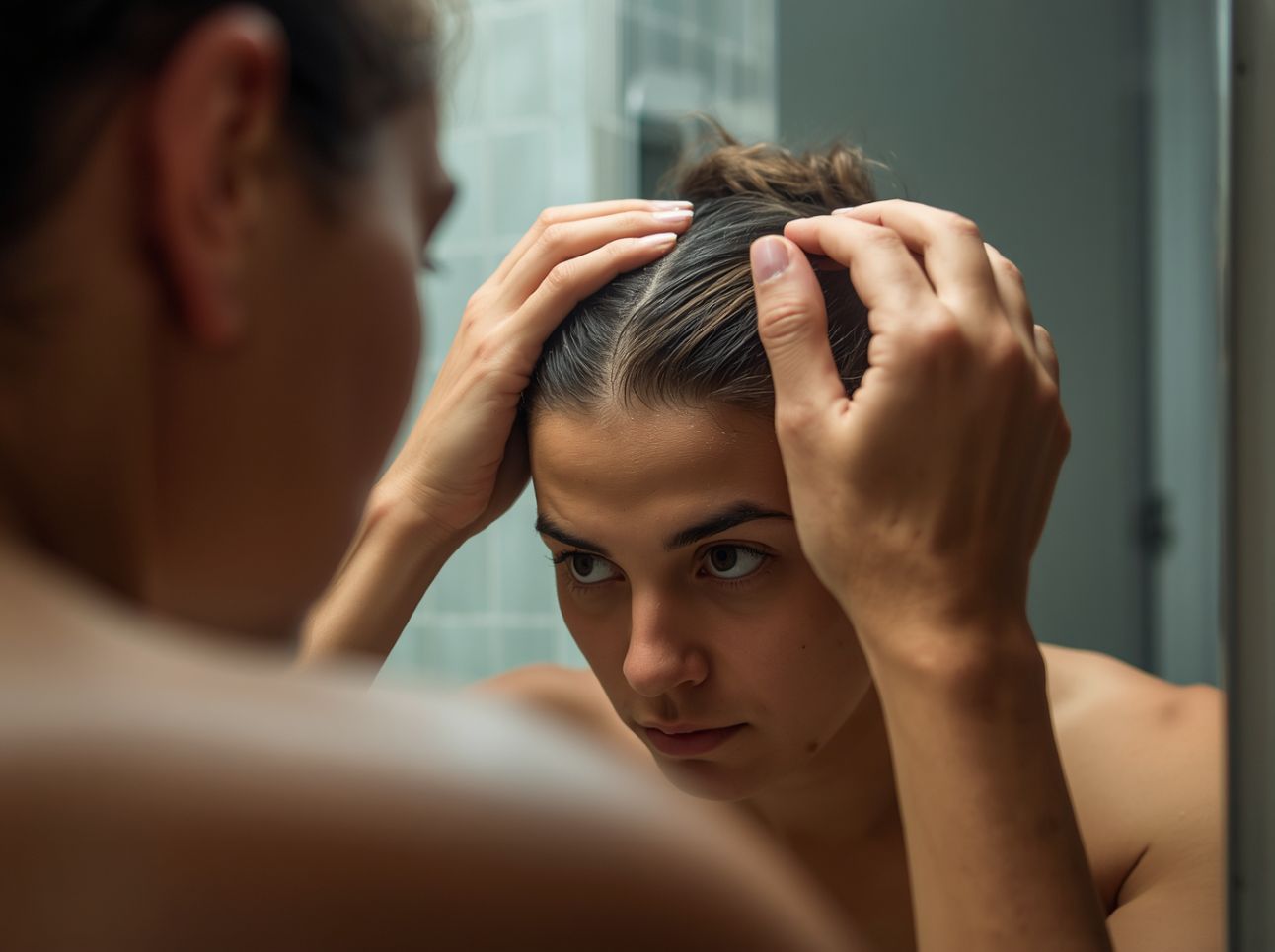
Common Scalp Conditions People Often Confuse
Three conditions get mixed up more than almost any others: dandruff, seborrheic dermatitis, and scalp psoriasis. Research from the National Institutes of Health describes dandruff as a mild scaling condition typically caused by an overgrowth of the yeast Malassezia, producing loose white or gray flakes without significant redness. Seborrheic dermatitis is closely related but more inflamed. According to the Mayo Clinic, its scales tend to look greasy and yellowish, and the underlying skin is often visibly red, particularly around the hairline, eyebrows, and sides of the nose.
Scalp psoriasis is a different matter altogether. The Mayo Clinic notes that psoriasis scales are usually thicker and drier than those seen in seborrheic dermatitis, and the patches often extend past the hairline onto the forehead or neck. Experts at the National Psoriasis Foundation add that psoriasis is an autoimmune condition, meaning the immune system speeds up skin cell turnover, while dandruff has nothing to do with the immune system at all. People with scalp psoriasis frequently have patches elsewhere on the body, such as the elbows or knees, or notice pitting in their nails, which dandruff never causes.
Other conditions can mimic these as well. Fungal infections like ringworm cause patchy hair loss along with a circular, itchy rash, a pattern that is easy to mistake for simple dryness at first glance, as outlined by findings published in a comprehensive review on seborrheic dermatitis in the National Center for Biotechnology Information database.
When Cosmetic Services Help and When Medical Evaluation Is Needed
Mild dandruff generally responds well to over-the-counter care. Regular washing, gentler product choices, and medicated shampoos containing zinc pyrithione or ketoconazole can resolve most cases within a few weeks. A stylist can also adjust a client’s wash routine or recommend gentler formulas if product buildup seems to be the trigger.
Seborrheic dermatitis and scalp psoriasis sit in a different category. Both conditions can sometimes be managed with specialized shampoos, but data from the Mayo Clinic indicates that scalp psoriasis is often more persistent and harder to treat than seborrheic dermatitis, sometimes requiring prescription topical treatments or light therapy. When redness, thick plaques, bleeding after scratching, or symptoms that spread beyond the scalp show up, a cosmetic fix is unlikely to solve the underlying problem.
Hair loss adds another layer of urgency. The American Academy of Dermatology explains that sudden or patchy shedding, especially when paired with scalp tenderness, burning, or visible inflammation, deserves a professional exam rather than a wait-and-see approach. Left untreated, some inflammatory scalp conditions can damage hair follicles permanently.
Why Early Recognition Matters
Catching a scalp issue early tends to make treatment simpler and shorter. Reports from dermatology practices consistently note that patients who delay care after symptoms first appear often need more intensive treatment later, particularly once inflammation has caused follicle damage. Waiting also means living with discomfort longer than necessary, since itching, tightness, and self-consciousness about visible flaking can all affect daily confidence.
A short consultation with a dermatologist, even for something that turns out to be minor, can rule out more serious causes and provide peace of mind. Board-certified dermatologists can examine the scalp, review medical history, and in some cases perform a simple skin test to confirm a diagnosis rather than relying on guesswork.
Tips for Protecting Scalp Health
- Wash with a gentle, sulfate-free shampoo suited to your scalp type, and avoid over-washing, which can strip natural oils and worsen irritation.
- Introduce new hair products one at a time so it is easier to identify a trigger if irritation appears.
- Manage stress where possible, since flare-ups of eczema, psoriasis, and seborrheic dermatitis are commonly reported to intensify during stressful periods.
- Protect the scalp from harsh sun exposure and extreme cold, both of which can dry out skin and trigger flaking.
- See a professional if symptoms last longer than a few weeks, keep returning after treatment, or come with pain, bleeding, or noticeable hair thinning.
Scalp health is often treated as an afterthought compared to hair styling, but the two are closely connected. A well-cared-for scalp supports stronger hair growth and reflects the same habits involved in maintaining a healthy lifestyle, from balanced nutrition to consistent, gentle self-care. As more salons and dermatology practices collaborate on client education, the line between a quick cosmetic fix and a condition that needs medical attention is becoming easier for everyday people to recognize, which is ultimately good news for anyone tired of guessing at the cause of their itchy or flaky scalp.